

When most people think of health insurance, they imagine major surgeries, ambulance rides, and hospital rooms. However, a significant portion of healthcare spending happens entirely outside a hospital room. From managing chronic conditions to unexpected viral fevers, day-to-day medical expenses can silently drain your finances.
1. The Big Misconception: Does Your Plan Cover OPD?
With hundreds of Medical insurance plans available across Indian insurers, narrowing down your options requires a clear understanding of what each plan covers, what it excludes, and how the premium is calculated. Medical insurance plans range from basic hospitalisation covers with a fixed sum insured to comprehensive plans that include critical illness riders, OPD benefits, maternity coverage, and restoration of sum insured after a claim. When comparing Medical insurance plans, it is equally important to read the fine print: sub-limits on room rent, ICU charges, and specific procedures can significantly reduce effective coverage even when the sum insured appears adequate on paper. Star Health offers a range of Medical insurance plans across multiple price points, allowing individuals, families, and senior citizens to find coverage that fits their healthcare priorities and budget. Revisiting your Medical insurance plans at each renewal rather than auto-renewing without review is the most effective way to ensure your cover keeps pace with changes in your family size and health needs.
OPD (Outpatient Department) treatment refers to medical care where you visit a doctor, clinic, or pharmacy, receive a diagnosis or treatment, and head straight home without being admitted. This includes routine doctor consultations, blood tests, X-rays, prescribed medications, physiotherapy, and minor dental or eye procedures.
Many policyholders face a rude awakening at the clinic billing counter when they realize their standard “cashless” health insurance plan does not cover these costs.
The 24-Hour Rule: Traditional health insurance plans are explicitly built around inpatient hospitalisation. Unless you are admitted to a hospital bed for at least 24 hours, standard policies will not cover a single rupee of your medical bill.
Why Standard Plans Exclude OPD
Insurance providers traditionally exclude basic OPD because these expenses are small but highly frequent. Processing every ₹500–₹1,500 doctor visit or minor lab test would create a massive volume of administrative work, ultimately driving up baseline premiums for everyone. Instead, base policies are designed to safeguard you from rare, unpredictable, and catastrophic hospital bills (e.g., ₹3–5 lakhs).
2. Reimbursement vs. Cashless OPD Coverage
Recognizing the rising financial burden of routine care, the Indian insurance market has introduced two primary models for outpatient coverage:
Reimbursement-based OPD: Under this framework, you pay the doctor, lab, or pharmacy out of your own pocket first. Afterward, you must gather all prescriptions, official receipts, and diagnostic bills to submit a formal claim to your insurer for reimbursement.
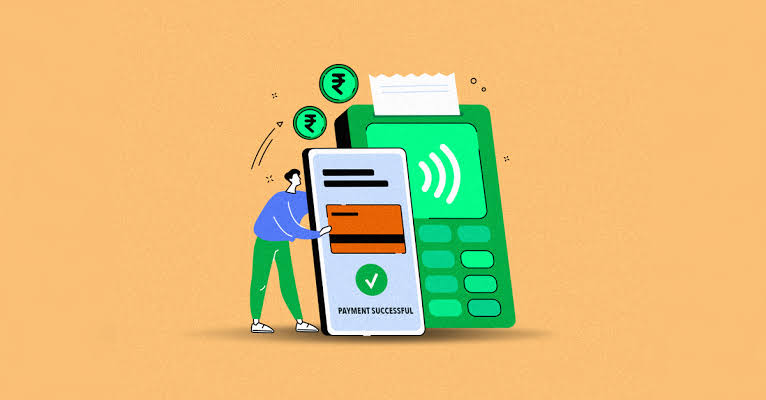
Cashless OPD: This more convenient arrangement allows you to walk into an insurer’s network clinic, pharmacy, or diagnostic center and receive treatment without any upfront payment. The insurance provider settles the bill directly with the healthcare facility.
3. How to Add OPD Protection to Your Portfolio
If you want to transition away from paying out-of-pocket, you can secure OPD coverage through several different structural formats:
1. Optional Riders or Add-ons
The most common approach is attaching an OPD rider to your existing base health policy. This add-on extends your policy to cover doctor visits, pharmacy expenses, and check-ups up to a predefined annual limit.
2. Standalone OPD Plans
These are specialized products designed strictly for outpatient expenses. They are ideal for individuals who rarely require hospitalisation but regularly incur high predictable costs for consultations or maintenance medications.
3. Family Floater Plans
Many comprehensive family plans pool a single OPD sum insured that can be shared dynamically by all covered members of the household.
4. Corporate Group Policies
If you are employed at a mid-to-large organization, check your employee health benefits. Many modern employers integrate an “OPD wallet” or corporate OPD sub-limit into group health insurance.
4. Key Benefits of Cashless OPD
Investing in an outpatient safeguard offers more than just immediate financial relief; it fundamentally alters how you manage your long-term health.
Financial Ease for Chronic Illness: Conditions like diabetes, hypertension, asthma, and thyroid disorders require lifelong management. Regular check-ups and daily medications can easily add up to ₹20,000–₹30,000 annually. Cashless OPD absorbs these recurring costs seamlessly.
Encourages Preventive Care: When medical consultations are free at the point of care, people don’t ignore minor issues. Early detection through covered diagnostic tests helps address medical conditions before they turn into major emergencies.
Supports Faster Physical Recovery: Having coverage for post-hospitalisation needs—such as prescribed medical drugs and routine physiotherapy sessions—ensures patients complete their recovery cycles without cutting corners due to cost.
5. The Cashless Claim Settlement Workflow
Understanding the step-by-step procedure at a network facility will save you time and prevent unexpected hurdles:
Patient Arrives at Network Center
TPA Desk Submits Medical Records & Pre-Authorisation Request
Insurer Evaluates Request & Grants Initial Approval
Procedure/Consultation Completed (Additional bills submitted if needed)
Final Bill Forwarded to Insurer for Final Approval & Direct Settlement
Note: Cashless OPD facilities are strictly bound to an insurer’s designated network. Always check the updated list of enrolled clinics, diagnostic networks, and hospitals before scheduling your appointment.
Summary: Should You Upgrade?
While an OPD add-on won’t completely rewrite your financial life, it closes a massive gap in daily healthcare funding. If your household includes young children who require frequent pediatrician visits, elderly relatives, or anyone managing a chronic lifestyle condition, upgrading to a comprehensive plan with a cashless OPD feature is a practical, logical step toward absolute financial security.
Completing the ABHA Card Download is a simple but important step toward building a unified digital health record under India’s Ayushman Bharat Health Account initiative. The ABHA Card Download can be done online via the official NHA portal or NHA app using your Aadhaar-linked mobile number, and takes only a few minutes to complete once you verify your identity through OTP. Once you finish the ABHA Card Download, you receive a 14-digit ABHA number that acts as your unique health ID, allowing hospitals, clinics, and labs to access your medical history with your consent. The ABHA Card Download also helps you store prescriptions, reports, and discharge summaries digitally in one place, reducing the need to carry physical copies of medical documents during hospital visits. Star Health supports the ABHA Card Download initiative as part of its commitment to making healthcare more accessible and digitally connected for all policyholders across India.
